Gypsophila (lat. Gypsophila), also known as baby’s breath, is thousands of tiny flowers on thin, branching stems. In a bouquet it looks like a cloud: it fills the gaps between larger flowers and adds lightness, while a single-variety gypsophila bouquet is one of the most romantic of all. In Lithuanian it is called guboja.
Gypsophila lasts 1–2 weeks in a vase, and afterwards it can be dried and enjoyed for months. In this guide: how to care for and dry gypsophila, which types and colours there are and why florists love it for weddings.
How to care for gypsophila in a vase
- Cut the stems at an angle, 2–3 cm, with a sharp knife or secateurs.
- Remove side shoots and leaves that would touch the water – the tiny flowers rot quickly in water.
- Place in a clean vase with cool water and flower food. Filling the vase a third of the way is enough.
- Change the water every 2–3 days and trim the stems each time.
- Keep it away from sun and radiators – in heat the flowers dry out and turn brown faster.
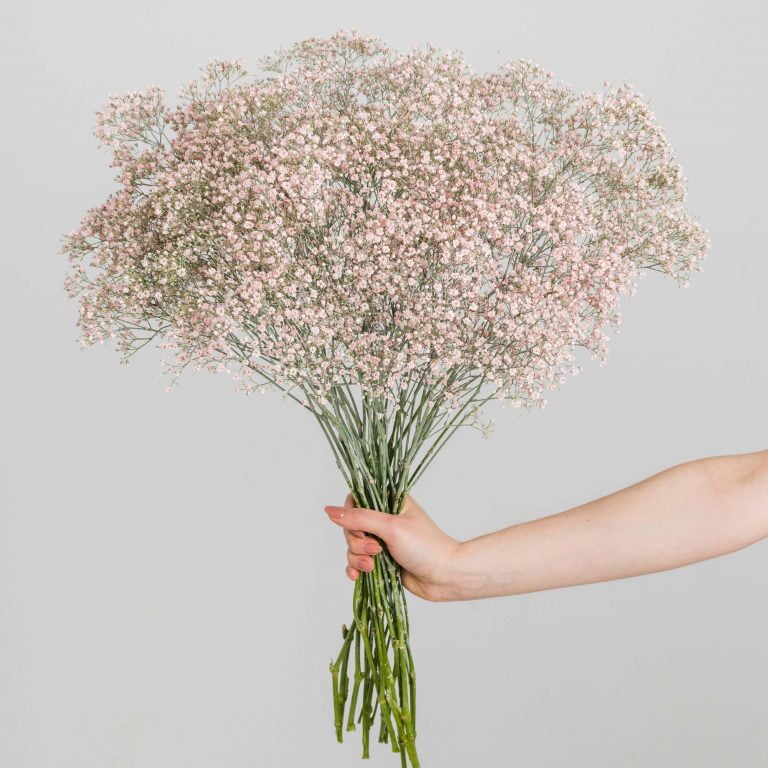
Fresh gypsophila has a distinctive, slightly pungent scent that some people dislike; it fades as the flowers dry. More general tips in our flower care guide.
How to dry gypsophila
Gypsophila is one of the easiest flowers to dry: it keeps its shape, and white gypsophila turns a warm cream. There are two simple methods.
Hang drying
- Take the gypsophila out of the water while the flowers are still fresh and pat the stem ends dry.
- Tie 5–10 stems into small bunches.
- Hang them upside down in a dry, dark, well-ventilated place, such as a wardrobe or storeroom.
- After 1–2 weeks, when the stems become brittle, the gypsophila is ready.
Drying in a vase
The simplest method is to leave the gypsophila in a vase with a few centimetres of water and not top it up. As the water evaporates, the gypsophila slowly dries standing up and keeps a more natural, looser shape.
Keep dried gypsophila away from direct sun and moisture and it will stay beautiful for months. Use it in dried flower arrangements and wreaths, or simply leave it in a vase.
Types of gypsophila
The gypsophila genus has more than 150 species. For bouquets, common gypsophila (Gypsophila paniculata) is grown – large branching clumps with a mass of tiny flowers. Florists prefer its varieties with larger, double flowers, such as ‘Million Star’ or ‘Xlence’.
Annual gypsophila (Gypsophila elegans) is more often sown in flower beds, and the low creeping gypsophila (Gypsophila repens) is grown in rock gardens.
On the Lithuanian seaside, common gypsophila has spread so widely in the dunes that it is listed as an invasive species: it crowds out native dune plants. So do not plant it near the coast, and do not throw faded gypsophila out into nature, so the seeds do not spread.
White and coloured gypsophila
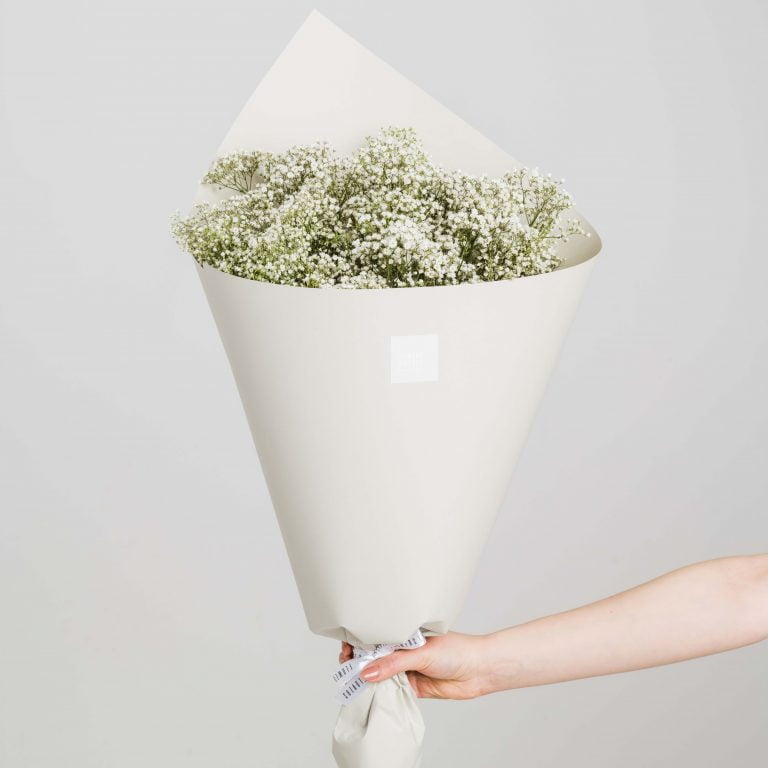
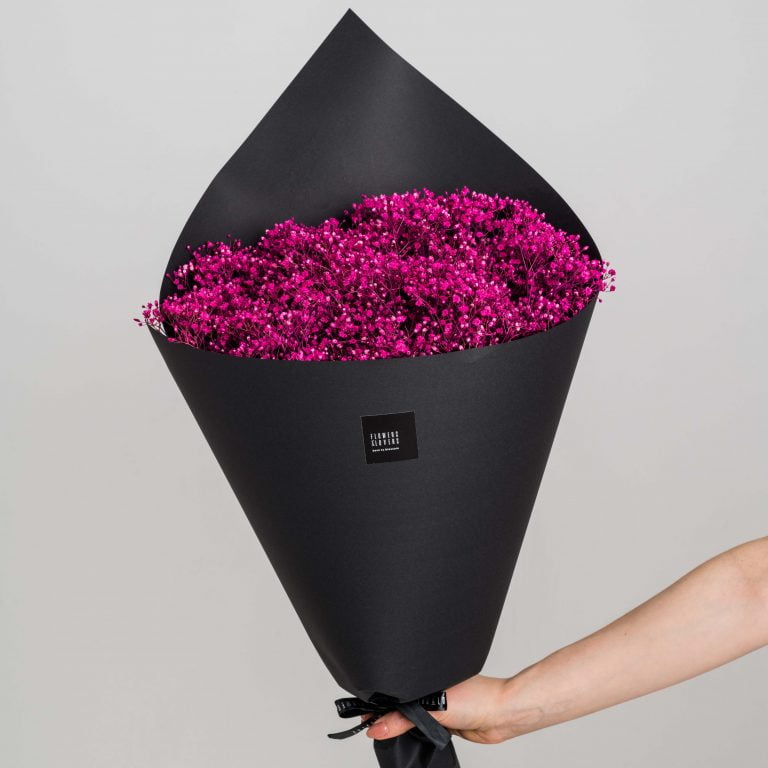
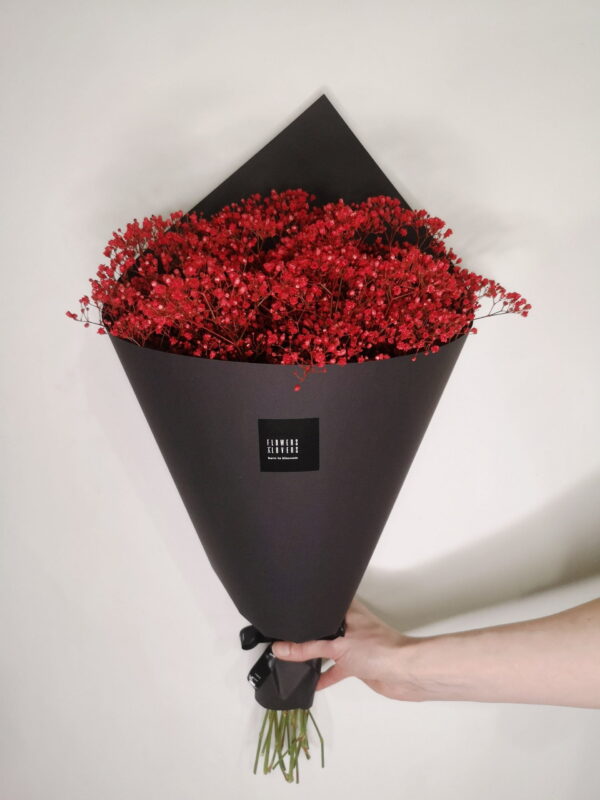
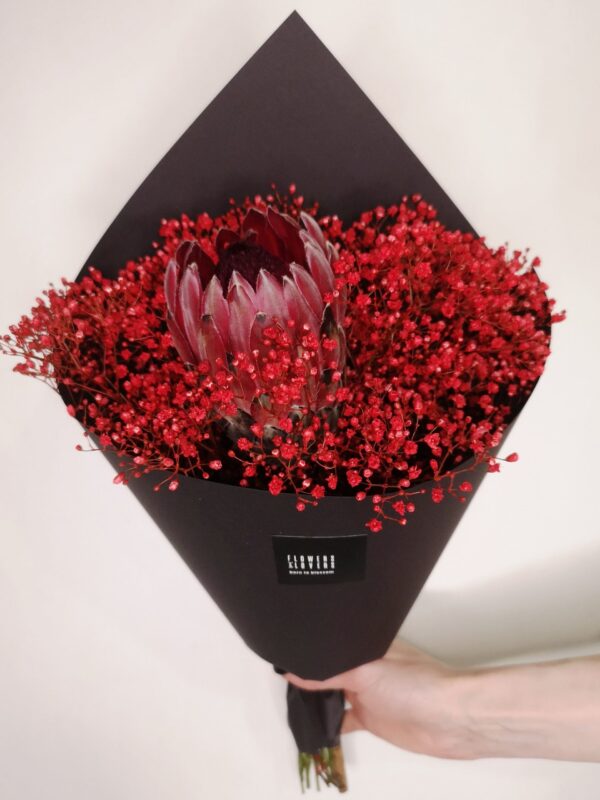
Naturally, gypsophila is white or soft blush. Bright pink, red, blue or even rainbow gypsophila is dyed: growers stand the stems in a dye solution that the flowers absorb, or spray the flowers. White gypsophila suits any colour palette, while dyed gypsophila creates a bold, contemporary accent.
Gypsophila in bridal bouquets and weddings
The English name baby’s breath reflects its delicacy: gypsophila symbolises purity, innocence and everlasting love. That is why white gypsophila is one of the best-loved wedding flowers.
Florists also choose it for practical reasons: gypsophila is light, stays beautiful for a long time, and a few stems fill a large space. It decorates bridal bouquets, buttonholes, hair accessories and table arrangements – see wedding decoration for more ideas.
What to combine gypsophila with
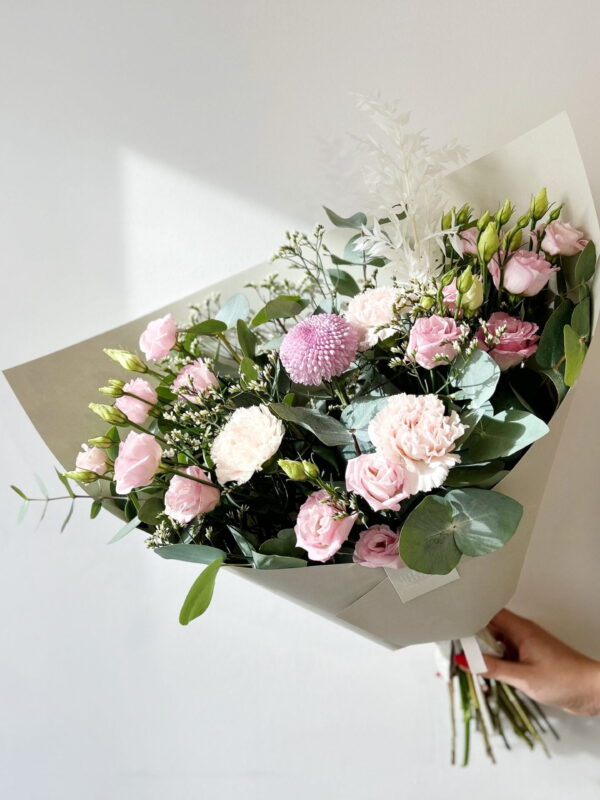
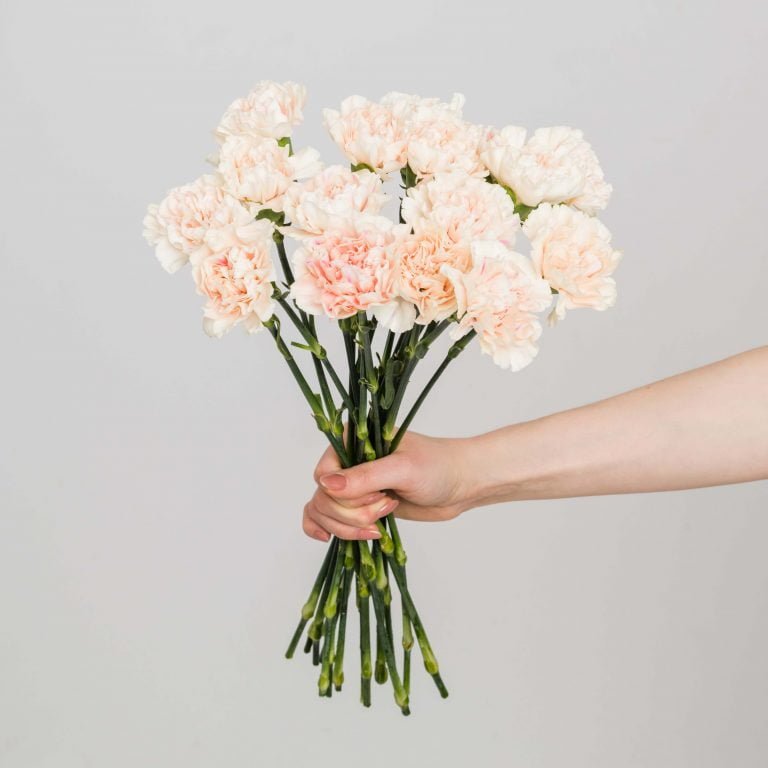
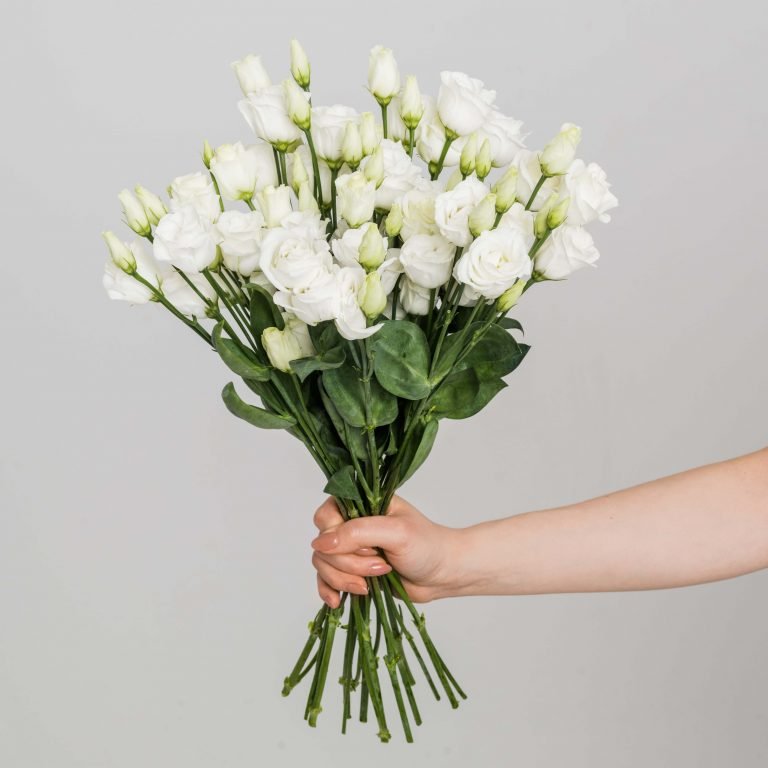
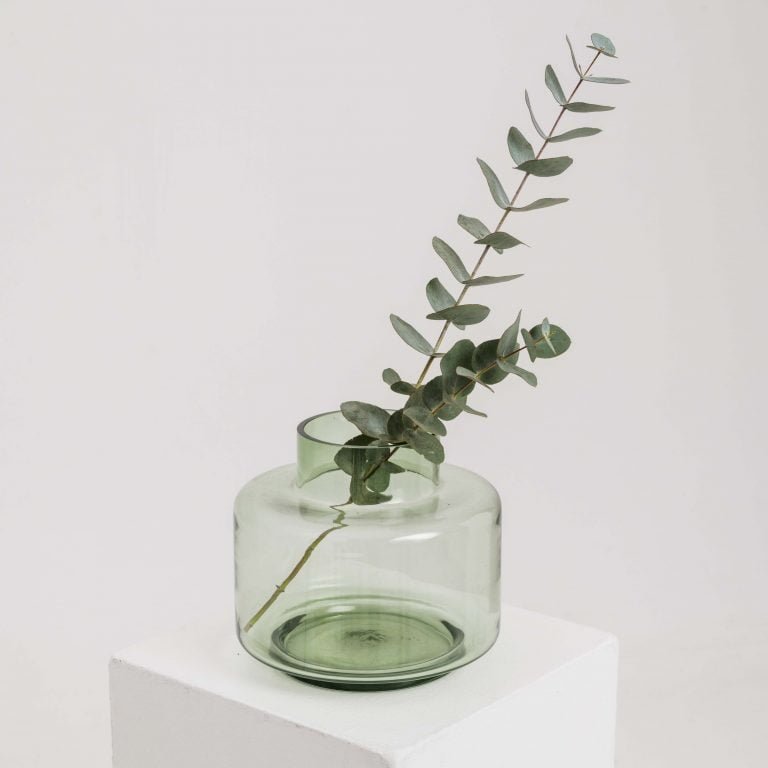
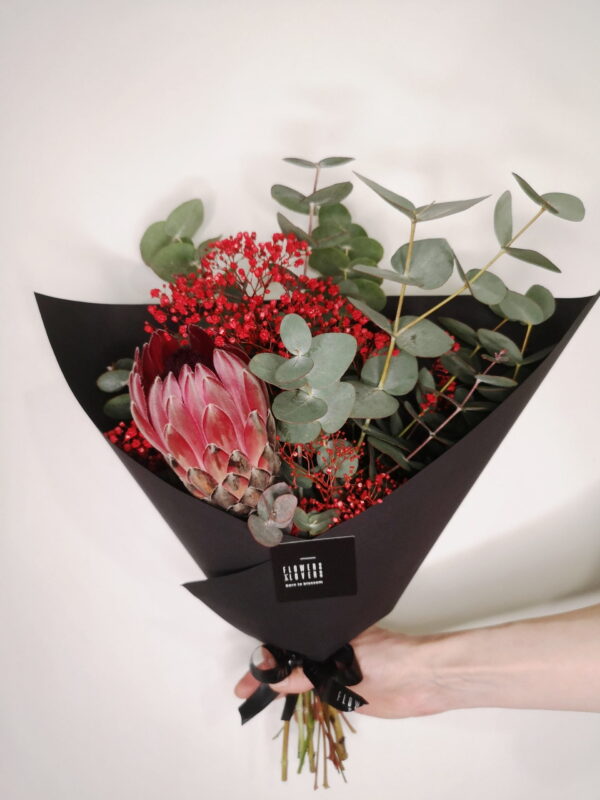
Gypsophila suits almost any flower. With roses it creates a classic romantic bouquet, with lisianthus and carnations a gentle everyday one, and with eucalyptus and exotic flowers such as banksias or proteas an unexpected, contemporary one.
Bouquets with gypsophila
We use gypsophila both in single-variety bouquets and in mixed compositions. You will find them all under bouquets with gypsophila; we deliver in Vilnius and across Lithuania.
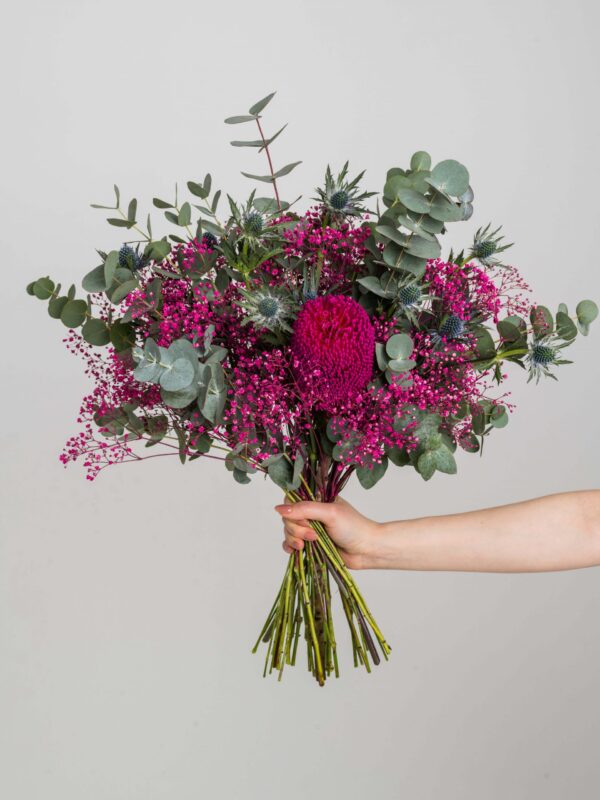 Greetings from AustraliaPink gypsophila, blue eryngium, eucalyptus and an Australian banksia – an unexpected, long-lasting combination. Most of the flowers can be dried later.From €35View the bouquet →
Frequently asked questions about gypsophila
How long does gypsophila last in a vase?
1–2 weeks if you change the water every 2–3 days. Afterwards it can be dried.
How do you dry gypsophila?
Tie it into small bunches and hang them upside down in a dry, dark place for 1–2 weeks, or leave it in a vase until the water evaporates.
Does gypsophila smell?
Fresh gypsophila has a distinctive, slightly pungent scent that some people dislike. It fades as the flowers dry.
What is gypsophila called in Lithuanian?
Guboja. It is also known as gipsofila, after its Latin name Gypsophila.
Is coloured gypsophila natural?
Naturally, gypsophila is white or soft blush. Bright colours come from dye, which the flowers absorb through the stem or are sprayed with.
Is gypsophila poisonous to cats?
Gypsophila is considered mildly toxic to cats and dogs: if eaten, it can upset digestion. Keep the bouquet out of pets’ reach.